
Marriages between Mexican Brides and foreign men happen regularly and with more success than the casual assumptions about them suggest. Some work extremely well. Others run into predictable difficulties that both sides could have seen coming with more preparation. The difference usually comes down to how honestly both people approached the cultural gap before they committed to closing it.
What Draws Foreign Men to Mexican Brides
The appeal is real and worth naming directly. Mexican Brides tend to be warm, expressive, and genuinely family-oriented in ways that many Western men find different from what they have experienced at home. Mexican culture places strong value on personal connection, on hospitality, and on the idea that a household should feel like a place people want to be. Those values show up in how Mexican women approach relationships and what they expect from a marriage.
There is also a directness to how Mexican Brides communicate that some foreign men find refreshing. If something is wrong, you will probably know. If she is happy, that is equally visible. The emotional register in Mexican culture is generally higher than in Northern European or East Asian contexts, and men who come from more reserved backgrounds often find this energizing rather than overwhelming once they get used to it.
What draws serious men to Brides from Mexico, rather than to casual relationships, is usually a combination of these cultural qualities with a strong sense of commitment. Mexican women who are looking for marriage tend to mean it. The relationship is not a placeholder for something better. It is the thing itself.
What Mexican Brides Actually Want From a Foreign Husband
Stability is the consistent answer, and it means something specific here. Not wealth as a status symbol, but reliability. A man who shows up when he says he will, follows through on commitments, and handles difficulty without disappearing. Mexican women who have been in relationships where that was absent tend to be very clear about prioritizing it the next time.
Respect for her family is not optional. Mexican family culture is close and involved. Her parents, her siblings, and often her extended family will have opinions about the man she marries, and those opinions carry weight. A foreign husband who approaches the family with warmth and genuine interest tends to be accepted fairly quickly. One who treats the family as background noise tends to create friction that does not resolve easily.
Mexican Brides also tend to value a man who takes pride in the relationship visibly. Showing affection, making plans, and treating the relationship as something worth investing in are all things that land well. A man who is emotionally present and attentive will always do better than one who expects the relationship to sustain itself on momentum.
How Mexican Culture Shapes Marriage Expectations
Mexico is predominantly Catholic, and religious values shape how many Mexican Brides think about marriage, even among women who are not personally devout. Marriage is understood as a serious long-term commitment. Divorce exists and is increasingly accepted, but it is still viewed as a significant failure rather than a practical adjustment. Women who enter marriage generally intend to make it work.
The concept of familismo, the strong orientation toward family as the central unit of social life, affects practically every dimension of a Mexican marriage. Her family will be present. They will have opinions. They will expect to be consulted on significant decisions. A foreign husband who builds genuine relationships with her family creates stability that supports the marriage over time. One who keeps the family at a distance tends to create a loyalty conflict that his wife should not have to manage.
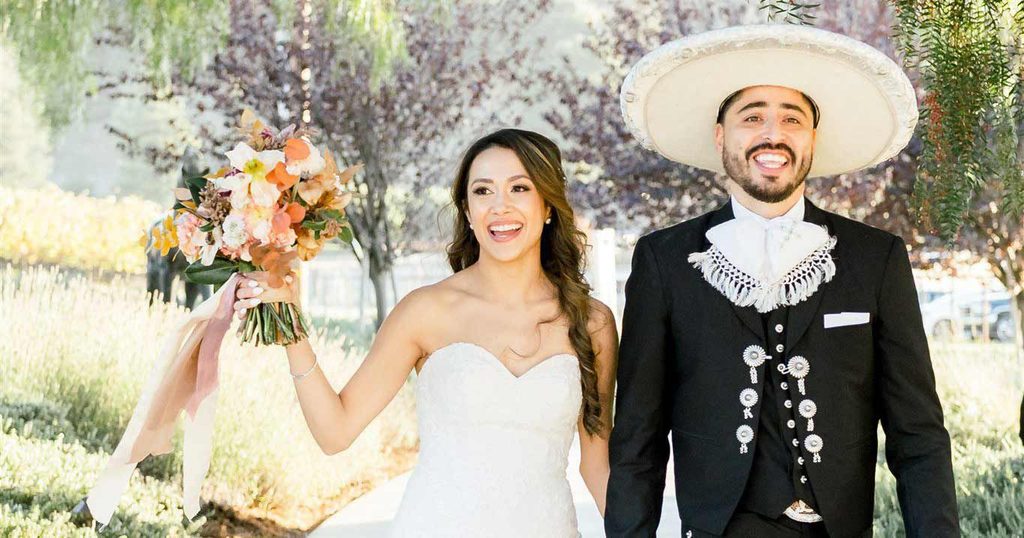
Mexican bridal traditions are also worth understanding. Weddings in Mexico tend to be large, celebratory, and centered on family participation. The assumption that a wedding is primarily a ceremony for two people, common in some Western cultures, does not map onto how most Mexican families approach the occasion. Managing those expectations in advance prevents significant tension during the planning process.
Where Foreign Men Meet Mexico Brides
The meeting points are more varied than the mail-order bride framing suggests. Many foreign men who end up marrying Mexican women meet them through work, travel, shared social circles, or language exchange. These introductions produce warmer starting points because both people have some context for each other before the relationship becomes romantic.
Online dating is also a legitimate and common path. Mexico has a large population of women using dating apps, and the number who are open to international relationships has grown alongside the normalization of cross-border communication. Mainstream apps with location settings and international filters are used widely, as are platforms specifically focused on Latin American women.
For men who are specifically looking for Mexican Brides with a serious orientation toward marriage, dedicated Latin dating sites tend to produce better results than general apps. The intent is clearer on both sides, which makes the early stages of conversation more efficient. For a broader view of what Latin women bring to international marriages, Latin Brides offers useful context on the wider regional picture.
The Legal Process of Marrying a Mexican Bride
Getting married in Mexico as a foreign national involves specific documentation and a civil registration process. The civil ceremony is the legally recognized one. Religious or symbolic ceremonies can follow but do not replace it in terms of legal standing.
Foreign nationals typically need to provide a valid passport, a birth certificate with apostille, and a certificate of single status issued by their home country. If either party has been previously married, divorce decrees with apostille are also required. Documents in languages other than Spanish need to be translated by a certified translator. The process varies slightly by state within Mexico, so confirming requirements with the specific civil registry office in the city where the wedding will take place is important. Working with a local notary or wedding coordinator who handles international couples regularly saves time and prevents avoidable mistakes.
If the marriage takes place in Mexico, it can typically be recognized in the foreign partner’s home country by submitting the Mexican marriage certificate with an apostille to the relevant authority. The spouse visa or residency application in the foreign partner’s country follows the marriage registration and has its own timeline and requirements.
Common Difficulties in Marriages Between Mexican Brides and Foreigners
The difficulties that come up most often are predictable enough that they can be addressed in advance rather than discovered after the fact.
- Family involvement that feels excessive to a foreign partner but is entirely normal within Mexican culture
- Financial expectations around supporting her family that were not discussed before the marriage
- Language barriers that reduce the depth of communication over time, particularly with her family
- Disagreements about where to live that become more urgent after children arrive
- Differences in how conflict is handled, with one partner preferring direct confrontation and the other preferring to let things settle
None of these are insurmountable. They are all easier to navigate when they have been talked about honestly before they become problems. Couples who have explicit conversations about money, family, location, and conflict styles before the wedding tend to handle these issues better than those who assume alignment that was never actually established.
What Mexican Bridal Culture Looks Like in Practice
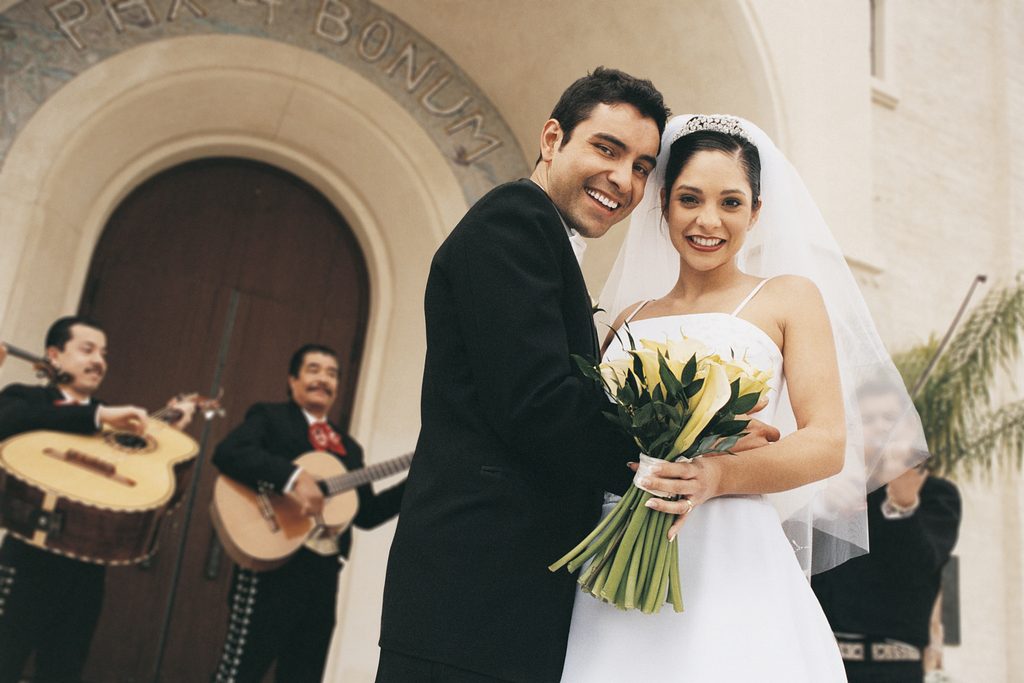
A Mexican wedding is typically a full-day event. The civil ceremony in the morning, the religious ceremony if the family is practicing, the reception in the afternoon and evening, and often a continuation into the early hours. The guest list tends to be large. Extended family, family friends, and community connections are all included as a matter of course.
Specific traditions vary by region and family. The lazo, a large floral or beaded cord placed around the couple during the ceremony, symbolizes the union of two lives. The arras, thirteen coins exchanged between the couple, represents shared financial responsibility. The padrinos system, where different guests sponsor specific elements of the wedding from the flowers to the cake to the music, is common and carries social significance within the community.
Foreign partners who engage with these traditions, even partially, signal something important to her family. It demonstrates that the marriage is not asking her to leave her culture behind. That message matters more than most foreign men realize going in.
Building a Lasting Marriage With a Mexican Bride
The marriages between foreign men and Mexican Brides that hold up over time share a recognizable set of characteristics. Both people were honest about their expectations from the start. The foreign partner made a genuine effort to learn Spanish, or at least to try. He built real relationships with her family rather than tolerating them. He treated the cultural differences as something to engage with rather than work around.
Mexican brides who are in strong marriages with foreign partners tend to describe the same things from their side. A husband who is consistent and emotionally present. One who takes the family seriously. One who does not expect her to become someone different from who she was when they met.
The cultural gap between Mexico and most Western countries is real but not large enough to be the determining factor in whether a marriage works. What determines it is the same thing that determines every marriage. Whether two people are genuinely compatible, willing to do the work, and honest with each other from the beginning.
